
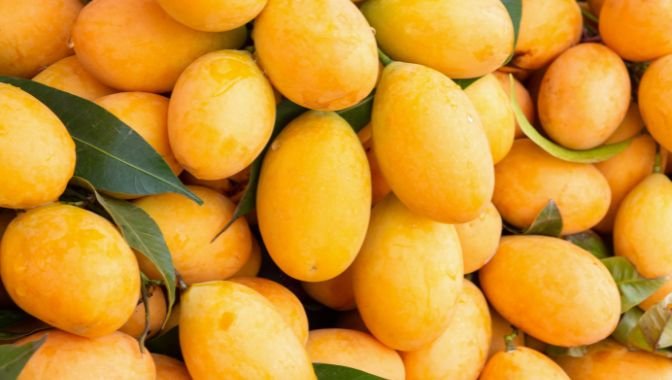
Pakistan has officially delayed the start of mango exports for the 2026 season, with shipments now set to begin from June 1. The decision was announced through a notification issued by the Ministry of Commerce, marking a slight shift from previous export timelines.
The ministry confirmed that all other export conditions will remain unchanged under the current policy framework. The revised schedule applies specifically to the upcoming mango crop season.
Reason behind export delay
Authorities took the decision after receiving requests from industry stakeholders. The move suggests concerns related to crop readiness, quality standards, or supply timing.
Exporters often prefer ensuring that fruit reaches international markets at peak quality. Therefore, a short delay can help maintain Pakistan’s reputation in global markets.
In previous years, mango exports usually began in the last week of May. For example, exports in 2025 started around May 25. The new timeline reflects a more cautious approach for the current season.
Importance of mango exports
Pakistan ranks among the leading mango exporters in the world. The country supplies mangoes to multiple international markets, including the Middle East, Europe, and Asia.
Popular varieties such as Sindhri and Chaunsa remain in high demand due to their taste and quality. These exports play a significant role in generating revenue and supporting the agricultural sector.
Impact on exporters and markets
The delay may affect export planning and logistics for traders. However, it can also improve product quality by allowing more time for the fruit to mature properly.
Also read Dananeer Mobeen Speaks Openly About Skin Imperfections
Industry experts believe that better quality exports could strengthen Pakistan’s position in competitive global markets. Maintaining consistency in quality remains essential for long term growth.
Outlook for the 2026 season
With the new export date set, stakeholders are expected to adjust their preparations accordingly. Exporters will likely focus on meeting quality standards and ensuring smooth supply chains once shipments begin.
The revised schedule highlights the government’s intent to align export timing with crop conditions. As the season approaches, market participants will closely monitor production levels and international demand.

