
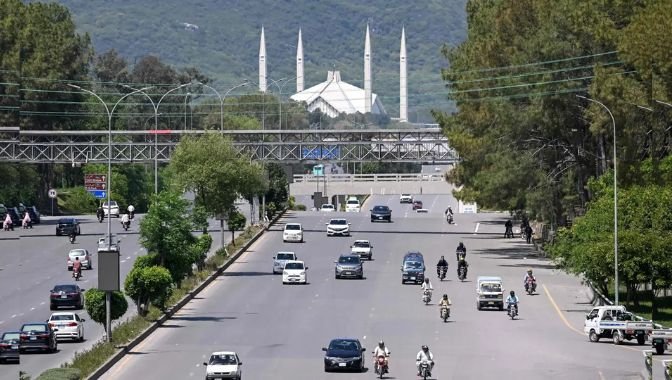
The suspension of goods transport in Islamabad and Rawalpindi has disrupted supply chains, causing shortages of essential food items and fuel across the twin cities. The situation has raised concerns among traders, transporters, and residents as supplies continue to decline.
The disruption began after road closures halted the movement of goods vehicles. Since then, markets have struggled to receive fresh supplies, affecting daily operations and availability of basic items.
Supply chain disruption affects daily life
Transporters and traders have urged authorities to reopen routes for goods vehicles. They warn that delays could worsen shortages and increase pressure on markets.
A spokesperson for the Oil Tanker Contractors Association confirmed that fuel supply has already been affected. According to officials, tanker movement has remained suspended for the past few days, disrupting petroleum distribution.
In addition, fuel supply vehicles for airports in Islamabad and Peshawar remain stuck at depots. This has raised concerns about possible disruption to aviation fuel supply if the situation continues.
Meanwhile, the Rawalpindi Goods Transport Association reported that no shipments have reached grain, fruit, or vegetable markets since April 19. As a result, market activity has slowed significantly.
The shortage has also affected daily wage workers. Many laborers depend on transport terminals for income, but ongoing suspension has left them without work.
Rising prices and wider impact
Traders have warned that prices may increase as existing stock continues to decline. The Fruit and Vegetable Traders Association noted that warehouses are running low on supplies.
As supply shortages grow, consumers may face higher costs for essential goods. This situation could further strain households already dealing with inflation.
Transporters have suggested allowing goods vehicles to use motorways to maintain supply lines. However, they noted that this option could increase transport costs.
Also read Government Plans Faster EV Battery Production and Solar Storage
There are also concerns about the wider impact of the disruption. Traders warned that shortages could extend to regions such as Azad Jammu and Kashmir and Gilgit Baltistan, which rely on Rawalpindi for supplies.
Officials from the Regional Transport Authority stated that the matter has been raised with the Punjab government. They added that goods transport operations will resume once approval is granted.
Authorities now face increasing pressure to restore supply routes quickly. Timely action will be crucial to prevent further shortages and stabilize market conditions in the twin cities.

