
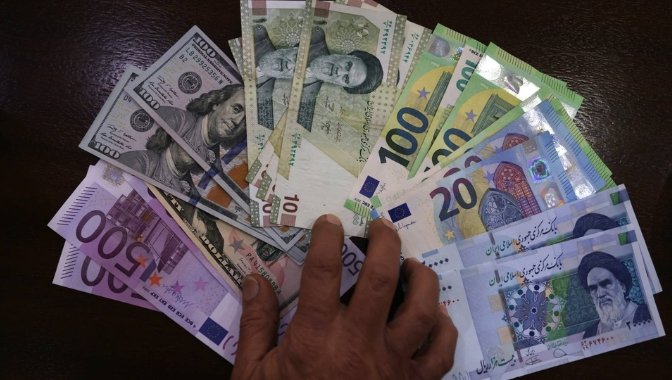
The Iranian Rial has plunged to its weakest level in history, signaling a deepening economic crisis for Iran and raising serious concerns about inflation, purchasing power, and financial stability. In open markets, the exchange rate has reportedly crossed between 1.25 to 1.3 million rials per US dollar, a level that underscores how sharply the currency has deteriorated in recent years.
This dramatic fall has placed the Iranian Rial among the lowest valued currencies in the world. On many international currency converters, the rial’s value appears as zero dollars due to rounding, highlighting just how insignificant its worth has become against major global currencies.
Why the Iranian Rial Is Collapsing
The collapse of the Iranian Rial did not happen overnight. Years of economic sanctions, limited access to global banking systems, declining oil revenues, and persistent inflation have steadily eroded confidence in the national currency. As prices rise faster than incomes, ordinary citizens are finding it increasingly difficult to afford basic necessities.
Also Read: Emaan Rajab Voice Note With Mother in Law Leaked Online
Inflation has remained one of the biggest pressures on the Iranian economy. Food prices, housing costs, and fuel expenses have surged, forcing many households to rely on savings or informal work to survive. The weakening rial has also made imports far more expensive, worsening shortages and driving prices even higher.
Another major factor behind the decline is uncertainty. Businesses and investors often turn to foreign currencies like the US dollar or gold as safe havens, increasing demand for dollars and pushing the Iranian Rial further down. This cycle has become increasingly difficult for authorities to control.
Impact on Daily Life and the Economy
For everyday Iranians, the falling value of the Iranian Rial means shrinking purchasing power. Salaries that once covered monthly expenses now fall short within weeks. Many workers are paid in rials, while essential goods are priced based on dollar rates, creating a growing gap between income and cost of living.
Small businesses are also under pressure. Importers struggle to secure foreign currency, while exporters face unpredictable pricing and payment delays. This instability discourages investment and limits economic growth, making recovery even harder.
Meanwhile, confidence in the currency continues to weaken. Cash transactions involving large stacks of banknotes have become common, reflecting how little value each rial now holds. Calls for currency reform or redenomination have grown louder, though no clear timeline has been announced.