
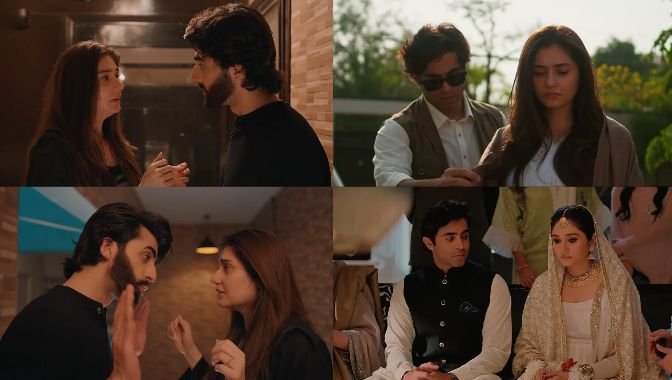
Pakistani drama Dar-e-Nijaat has brought attention to an important question about romantic relationships: what makes someone a good partner? Sheheryar Munawar plays Abu Bakr, a character whose patience, kindness, and approach to relationships offer a different perspective on romance. His connection with Zaryab, played by Durefishan Saleem, provides a starting point for discussing emotional support, acceptance, and healthy relationships.
Written by Umera Ahmed and directed by Saqib Khan, Dar-e-Nijaat explores relationships and the challenges its characters face. Abu Bakr stands out because his character is not defined solely by romantic gestures. His attitude towards Zaryab also raises questions about how partners should respond to one another’s difficult experiences.
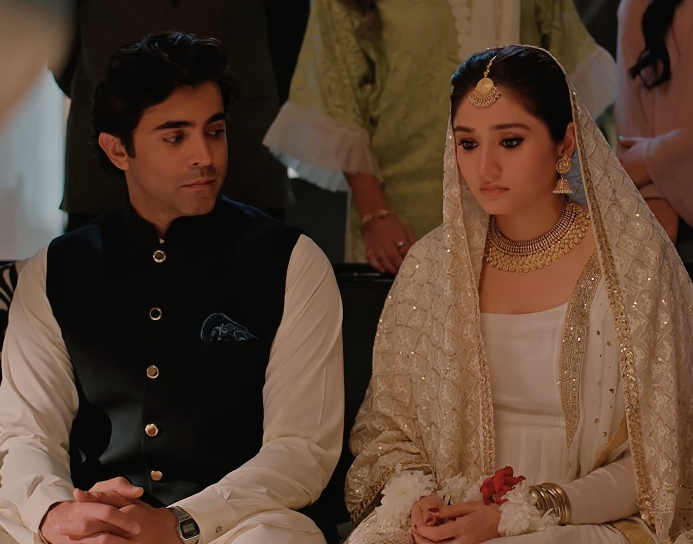
Why Abu Bakr’s Character Stands Out
The term “green flag” describes behaviour that suggests someone could be a considerate and emotionally healthy partner. Qualities often associated with this idea include patience, respect, honesty, and the ability to listen without rushing to judge.
Abu Bakr’s character fits this discussion through his gentle approach to Zaryab. Rather than treating her past as the only thing that defines her, his character allows room for understanding and acceptance. This approach contrasts with romantic storylines that rely on jealousy, possessiveness, or controlling behaviour to create dramatic tension.

Sheheryar Munawar’s portrayal brings these qualities to the screen through the character’s interactions and manner. Abu Bakr’s appeal lies in the possibility of a romantic lead who can express care without relying on aggression or unnecessary conflict.
His relationship with Zaryab also gives the drama an opportunity to explore how trust develops between two people. Romance becomes more meaningful when characters can communicate openly, respect each other’s experiences, and make room for personal growth.
Is Abu Bakr an Idealized Romantic Hero?
Although Abu Bakr’s qualities make him an appealing character, they also invite a broader discussion about realism in television dramas. Fiction often presents people with admirable traits to communicate an idea or explore a particular theme. However, audiences may have different expectations of how believable those characters should be.
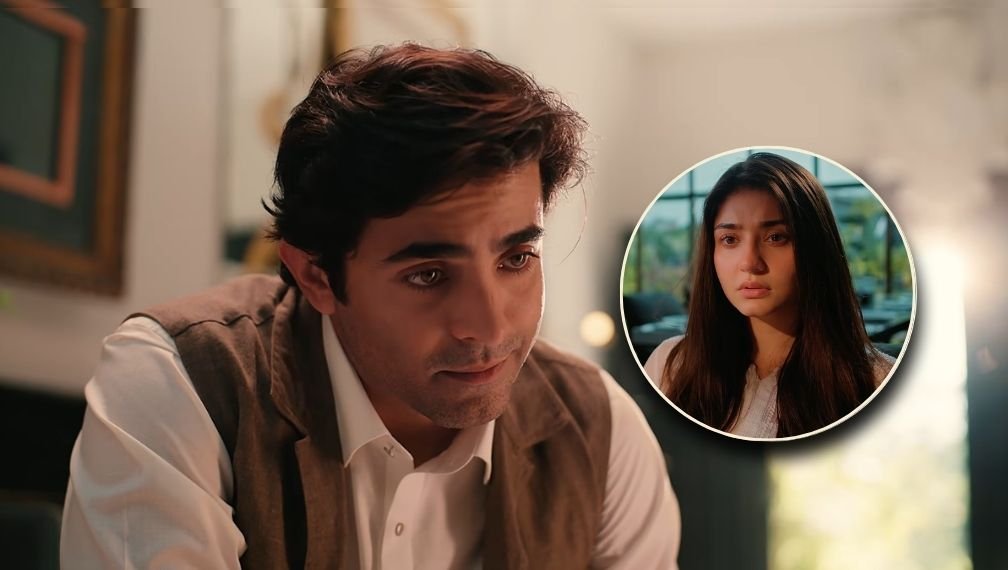
A character who responds to difficult circumstances with exceptional patience can offer a positive example. At the same time, viewers may question whether the story gives enough attention to the complexities of real relationships. Both perspectives can exist without diminishing the character’s role in the drama.
The distinction between an ideal partner and a realistic one is worth considering. Healthy relationships do not require perfection. They depend on mutual respect, accountability, honest communication, and a willingness to work through disagreements.
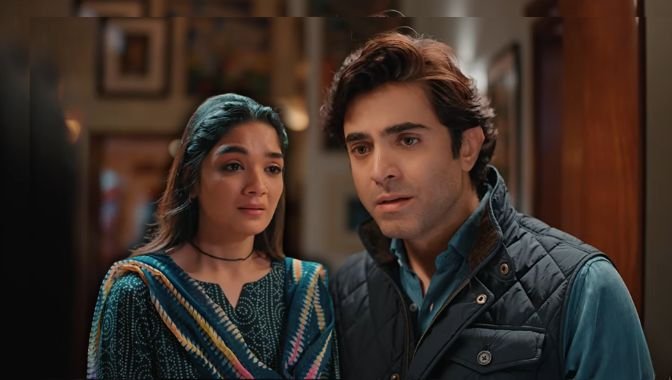
Abu Bakr can therefore be appreciated as a fictional romantic lead without expecting every real person to behave exactly as he does. His character provides an opportunity to consider which qualities matter most in a relationship.
Zaryab’s Story and the Importance of Emotional Support
Zaryab’s relationship with Abu Bakr also raises questions about the role of support when someone faces emotional difficulties. Having a caring partner can make challenging experiences easier to navigate, particularly when that person responds with patience instead of judgment.
However, support should not mean taking responsibility for another person’s entire life or making every decision on their behalf. A healthy partnership allows both people to retain their independence while offering understanding and encouragement.
This distinction is particularly important in romantic dramas, where the idea of being rescued by a perfect partner can sometimes overshadow a character’s own development. A more balanced view recognizes that love can provide comfort while personal growth remains an individual journey.
Also read Mitti De Baway Episode 8 Gives Fans a Powerful First Look at Baala Gujrati
Abu Bakr’s relationship with Zaryab invites viewers to consider this balance between companionship and independence. His character also highlights the value of treating someone with dignity, including when their experiences differ from our own.
A Different Perspective on Romance
Through Abu Bakr, Dar-e-Nijaat explores a version of romance built around patience, acceptance, and emotional understanding. Whether viewers see him as an idealized hero or a reminder of qualities worth seeking in a partner, his character offers plenty to discuss.
Ultimately, a compelling romantic lead does not need to be flawless. Characters become meaningful when their choices encourage audiences to reflect on their own expectations, values, and relationships.
What do you think about Abu Bakr in Dar-e-Nijaat? Which qualities make someone a genuine green flag in a relationship?

