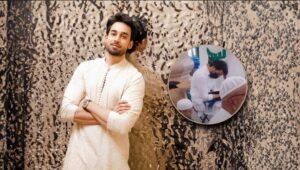
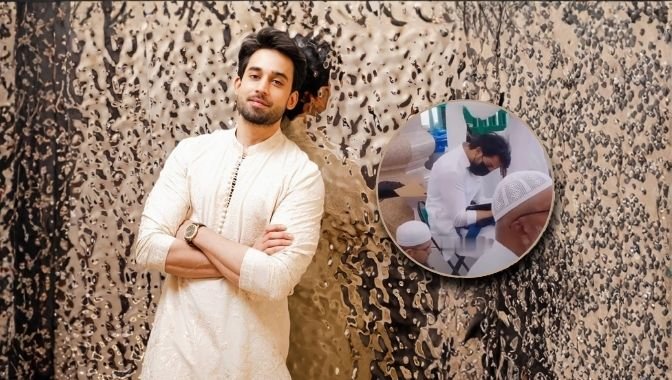
Pakistani actor Bilal Abbas Khan has sparked online debate after a video of him in Madinah appeared on social media. The clip shows him reciting the Holy Quran at Masjid e Nabwi during Ramadan. Fans quickly reacted and raised concerns about privacy and respect.
Bilal Abbas Khan is known for popular dramas such as Pyar Ke Sadqay, Cheekh, Balaa, Dunk, Ishq Murshid, and Meri Zindagi Hai Tu. He keeps his personal life private and rarely shares religious or family moments online. Because of this, the viral video surprised many followers.
The footage shows the actor engaged in worship while visiting Madinah. A social media user recorded and shared the video online. Soon after, it spread widely across different platforms and attracted strong reactions.
Fans call for respect and privacy
Many fans criticized the person who filmed the video. They argued that celebrities deserve personal space, especially during religious activities. Supporters said spiritual moments should remain private unless shared willingly.
Several users posted messages asking people to respect boundaries in sacred places. One fan wrote that actors are public figures but still deserve dignity during personal worship. Another user said recording someone without permission crosses ethical limits.
This is not the first time such an incident has happened. In April 2024, Bilal Abbas Khan was also seen performing Umrah at the Holy Kaaba. At that time, fans also objected to people filming him during religious rituals.
The situation has renewed discussion about social media behavior and personal boundaries. Many users believe smartphones make it easy to record moments without considering consent. Fans emphasized that religious environments require extra sensitivity and respect.
Also read Meri Zindagi Hai Tu Episode 31 Faces Strong Fan Backlash
Bilal Abbas Khan has not responded publicly to the viral clip. However, supporters continue urging social media users to avoid recording individuals without permission.
The incident highlights a growing conversation about privacy in the digital age. As online sharing increases, audiences continue to debate how to balance public curiosity with personal respect, especially during moments of faith and reflection.