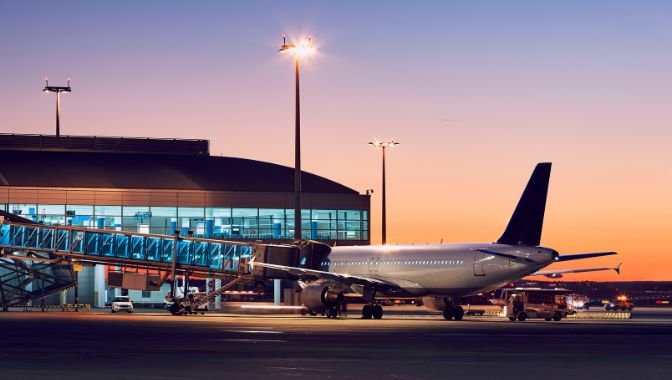
The United States has introduced a major update to its security screening for incoming tourists. Under the new rules, anyone visiting the country must provide access to their social-media accounts from the past five years. This includes platforms such as Instagram, Twitter, TikTok, and Facebook.
The policy is designed to allow officials to better screen travellers for potential security risks. By reviewing social-media activity, authorities aim to detect patterns or content that could indicate threats before entry into the country.
Critics argue that this approach crosses a line into digital surveillance. They point out that requiring access to personal social-media accounts may compromise privacy and put sensitive personal information at risk. For many travellers, the idea of handing over a detailed online footprint is unsettling.
Travel experts warn that the policy could affect tourism. Some visitors may choose alternative destinations to avoid sharing personal digital content. At the same time, security officials maintain that the measure is necessary in the current global context, where digital activity can reveal hidden risks.
Role of Technology in International Travel
This policy also highlights the evolving role of technology in international travel. Governments increasingly rely on online data to evaluate entry eligibility. While intended for safety, such measures raise questions about civil liberties and the balance between protection and privacy.
Tourism industry representatives have expressed concern over the practical implications. Collecting and reviewing social-media data from millions of visitors could slow down the immigration process. Moreover, interpreting online activity is complex, and authorities may face challenges distinguishing genuine content from jokes, satire, or personal opinions.
The new requirement has already sparked debate online. Some travellers express disappointment, noting that vacations should be about relaxation, not invasive screenings. Others argue that digital transparency is part of modern security and may prevent potential incidents.
Also read Son influenced by ChatGPT kills mother in US case
As this policy takes effect, the US joins other nations using online behavior as a tool for border management. Its long-term impact on tourism, privacy, and international perceptions remains to be seen. For millions planning trips, this rule adds a new layer of consideration before boarding a flight.
The five-year social-media submission rule marks a turning point in travel regulations. It forces tourists to think carefully about what they share online and highlights the growing tension between safety and personal privacy in the digital age.