
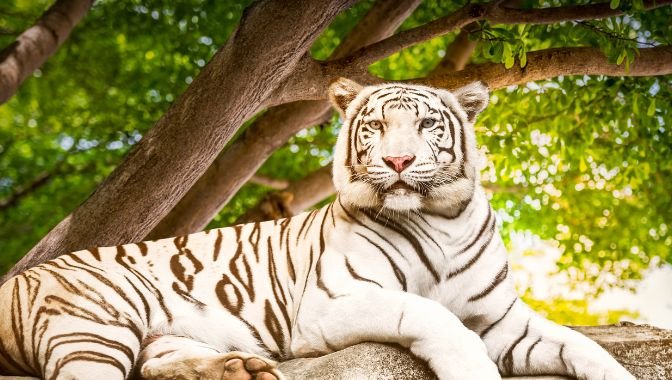
The Sindh government has taken a major step toward protecting its native wildlife by proposing a ban on the import of foreign animal species across the province. The decision follows serious concerns raised by Chief Secretary Asif Hyder Shah over repeated violations of the Sindh Wildlife Protection, Preservation, Conservation, and Management Act, 2020, particularly at the Karachi Zoo.
Wildlife Law Enforcement Under Review
Presiding over a high-level meeting to assess the performance and legal compliance of the Sindh Wildlife Department, Shah stressed the urgent need for reform and accountability in wildlife management. He directed the department to take immediate corrective measures in accordance with the Wildlife Act.
Shah highlighted that any import of exotic animal species not native to Sindh will be prohibited, except for scientific or research purposes with official government approval. He further ordered the registration and monitoring of all exotic animals already present in the province, warning that violations will lead to strict legal penalties.
“Wildlife protection laws must be enforced in letter and spirit to safeguard Sindh’s natural heritage for future generations,” Shah stated.
Karachi Zoo Under Fire
During the meeting, Chief Wildlife Conservator Javed Mahar revealed that the Karachi Zoo is not meeting the mandatory standards set under the Wildlife Protection Act. He cited several deficiencies in enclosure size, habitat design, and animal care.
For instance, the law mandates that enclosures for big cats must cover at least 400 square yards, include 50% vegetation, two rooms with resting shelves, and a cleaned water pool. However, most of these conditions remain unmet, raising concerns about the welfare of the zoo’s animals.
Mahar also disclosed that 129 wildlife-related cases have been pending in Sindh’s courts since 2020, calling for stronger legal enforcement and faster judicial processing.
Also read Salman Agha and Abrar Ahmed Rise to Career Highs in ICC ODI Rankings
Comprehensive Reforms and Legal Measures
The Chief Secretary directed the department to prepare a compliance report on all ongoing cases and announced his plan to personally discuss the matter with the Sindh High Court Chief Justice to expedite hearings.
The Wildlife Department has also been tasked with drafting habitat management guidelines, enforcing population control measures, and preventing uncontrolled breeding of exotic species.
Additionally, all owners of exotic animals must declare and register their animals within a set deadline, with strict legal action to follow non-compliance.
Upcoming Consultation on Wildlife Protection
To ensure transparency and community involvement, the Sindh government will soon host a consultation session with wildlife experts, civil society groups, academics, and officials. The session will focus on strengthening conservation strategies, combating wildlife trafficking, and developing sustainable habitat management plans.
Reaffirming the government’s stance, Shah concluded,
“Protecting biodiversity, preventing habitat loss, and ensuring humane treatment of animals remain top priorities of the Sindh government.”