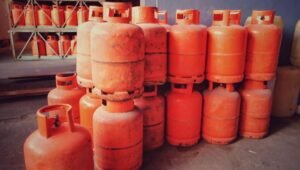
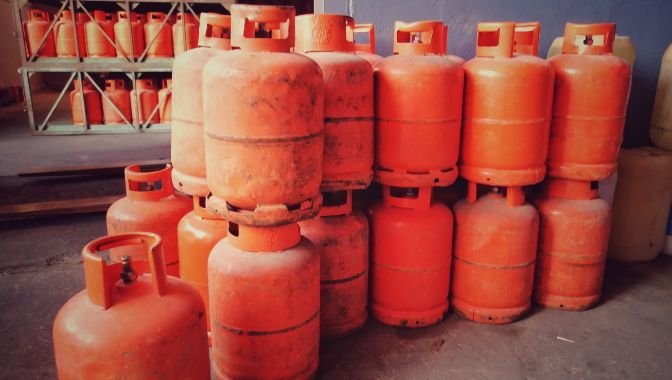
LPG prices have surged sharply across Pakistan, with the cost of a standard 11.67 kg cylinder rising significantly in recent days. The increase has raised concerns among consumers, especially those who rely on LPG for daily use.
According to recent data, the national average price of an LPG cylinder now ranges between Rs. 3,900 and Rs. 5,135. Previously, prices stood between Rs. 3,150 and Rs. 3,968. This sudden rise reflects ongoing supply disruptions and changes in global market conditions.
Supply Issues and Global Trends Drive Price Hike
The Pakistan Bureau of Statistics reported a sharp increase in LPG prices during the week ending March 26. Cities across Punjab recorded the highest spikes, indicating widespread impact on consumers.
One of the main reasons behind the increase is the rise in global LPG prices. Ongoing tensions in the Middle East have influenced international markets, leading to higher import costs. At the same time, supplies from Iran slowed due to Eid and Nauroz holidays, further tightening availability.
Industry officials confirmed that supply constraints have played a key role in pushing prices upward. Although around 20,000 tonnes of LPG arrived in Pakistan during March through three vessels, current stock levels are expected to last only 13 to 14 days.
The price hike has already started affecting transportation costs. Vehicles that run on LPG, including rickshaws and minibuses, have increased fares. As a result, low and middle income groups face additional financial pressure.
Pakistan relies heavily on LPG imports to meet its energy needs. The country’s total annual demand stands at around 2 million tonnes. Out of this, approximately 1.2 million tonnes are imported, while 800,000 tonnes are produced locally.
Despite the current situation, the import bill for LPG declined by 4 percent to $696 million during the first eight months of the fiscal year. However, short term supply challenges continue to impact local prices.
Also read Pakistani Star Batter Creates History With 3000 Runs in PSL 11
Authorities are closely monitoring the situation as demand remains steady. Meanwhile, consumers are adjusting to higher prices as the market responds to both local and global factors.
The recent surge highlights the sensitivity of LPG prices to international trends and supply chain disruptions. As conditions evolve, further changes in pricing may depend on improvements in supply and stability in global markets.